
Wednesday, February 10, 2016
Multi-Digit Multiplication Strategies
During differentiated instruction (Math centers), We are working toward proficiency in multiplying 2, 3, and 4 digit numbers by 1 digit numbers and two 2-digit numbers. We have been using area models and the partial products algorithm:


Friday, December 11, 2015
Fifty Nifty United States / Flag Raising Performance

Fourth grade will be performing during January's flag raising. Here are the lyrics to one of the songs the students will sing, so they can start practicing next week and over Winter Break:
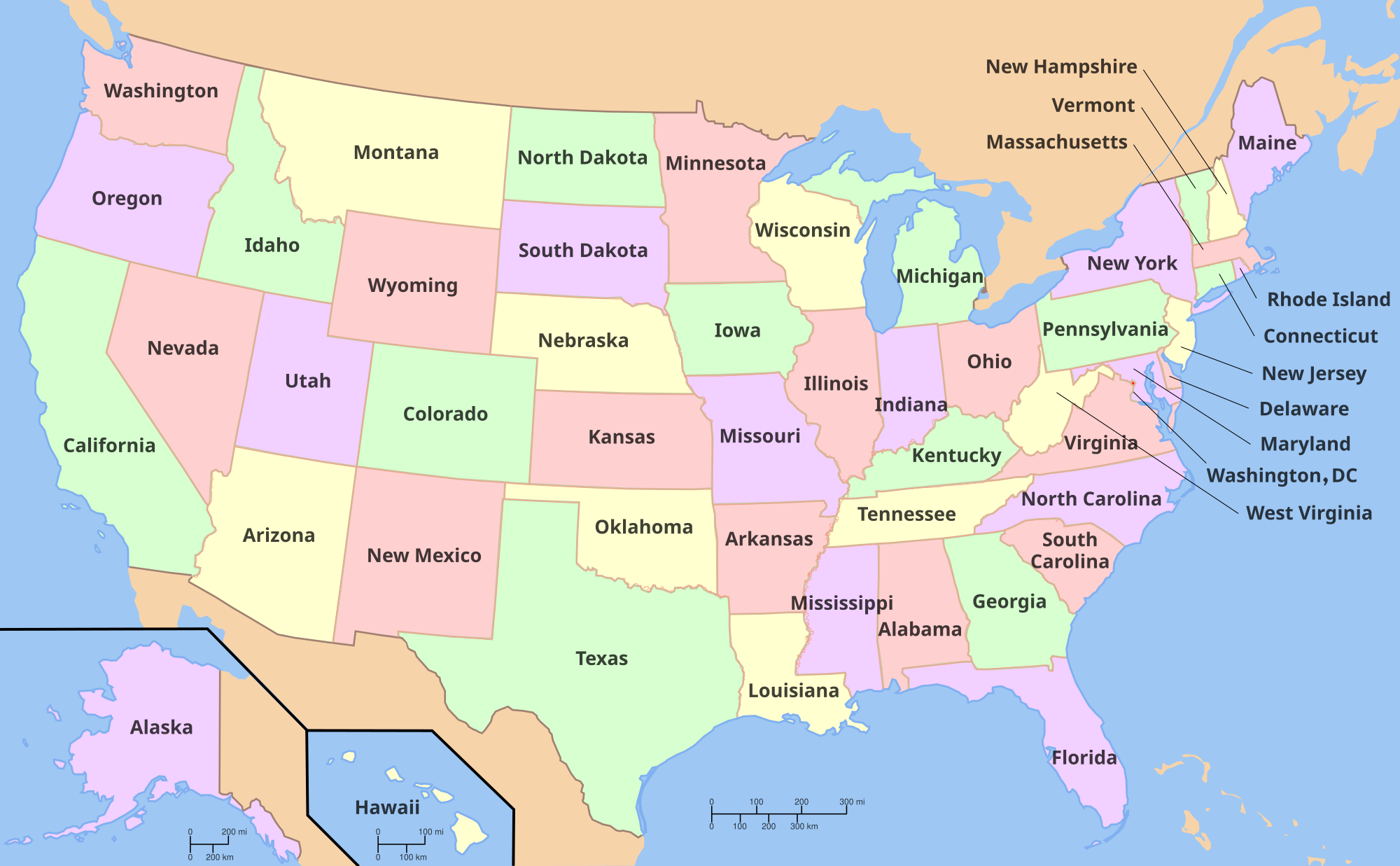
FIFTY NIFTY United States
Fifty nifty United Stated from thirteen original colonies
Fifty nifty stars in the flag that billows so beautifully in the breeze
Each individual state contributes a quality that is great
Each individual state deserves a bow; Let’s salute them now
Fifty nifty United States from thirteen original colonies
Shout em, scout’em, Tell all about’em
One by one, ‘til we’ve given a day to every state that’s
In the USA,
Alabama, Alaska, Arizona, Arkansas, California,
Colorado, Connecticut,
Delaware, Florida, Georgia, Hawaii, Idaho, Illinois
Indiana.
Iowa, Kansas, Kentucky, Louisiana, Maine, Maryland,
Massachusetts, Michigan,
Minnesota, Mississippi, Montana, Nebraska, Nevada
New Hampshire, New Jersey, New Mexico, New York
North Carolina, North Dakota, Ohio
Oklahoma, Oregon, Pennsylvania, Rhode Island
South Carolina, South Dakota, Tennessee, Texas
Utah, Vermont, Virginia, Washington, West Virginia
Wisconsin, Wyoming
North, South, East, West….
In our cool, considered, objective, unprejudiced
Opinion, FLORIDA is the best of the
Fifty nifty United State from thirteen original colonies
Fifty nifty stars in the flag that billows so beautifully in
The breeze
Each individual state contributes a quality that is great
Each individual state deserves a bow; Let’s salute them now!
Wednesday, December 9, 2015
St Augustine (Fort Menendez) Field Trip

What a perfect day to participate in several reenactments of Florida's history! We got tattoos, made candles, impressed our docent with our knowledge of Florida's history (thanks, Ms. Kirkham!), and have a new appreciation for indoor plumbing and toilet paper. A special thanks to the parents who chaperoned for being extra sets of eyes and ears. If you took any good pictures, please share as I didn't have the chance to!
We participated in three programs:
Florida Natives Program
Students experience the daily life of the Timucua Natives firsthand. Participate in Native American games, jewelry making, corn grinding and gardening, and learn to use a bow drill. Student take-home project is a shell necklace.


Timuqua Native American war paint
Spanish Colonial/Fort Mose Program
Students experience life as a Spanish settler in St. Augustine including learning about Fort Mose, the first free Black Settlement in Colonial America. Students participate in period appropriate activities including candle dipping, colonial games, tabby making, weaving, woodworking and corn grinding. Student take-home project is a hand-dipped candle taper.

A brief historical reenactment of the Spanish and French in Florida

Early Florida Pioneer Program
Attend class in a one-room schoolhouse and experience a day in the life of a child of the 1800s. Students participate in corn shelling and milling, write with a quill pen, draw water from a pitcher pump, play pioneer games, try out their roping skills and garden with a push plow. Student take-home project is a quill pen writing sample on parchment paper.

Grinding dried corn into corn meal

The boys' side of the schoolhouse

Water break, anyone?

Recess!
Wednesday, November 25, 2015
The Great Sunshine State Debate

Florida is "The Sunshine State"...or is it?
My first year teaching, I asked my students to bring in samples of rocks from the ground here in Jacksonville to observe and classify. I was surprised when most students returned to school the next day empty-handed, and a few brought in landscape rocks. Growing up outside Florida, I did not realize the earth here is mostly made of sand!
A similar experience occurred recently, nearly twelve years later. Students have been learning about Earth's movement, specifically observing how its revolution around the sun allows us to observe different parts of the sky as the seasons change. I thought it would be fun to have students observe constellations on the weekends twice each month, starting in Fall when the temperature and humidity start to decrease, resulting in fewer clouds and a clearer view of the night sky. Some of my students expressed worry over not being able to complete the assignment, due to it being too cloudy, even this time of year. This led me to wonder, if Florida is "The Sunshine State", does it really have more sunny days than the other forty-nine states?
Scientists analyze other scientists' data to help them answer their questions (or think of new questions), so I thought I would start there.
The results were surprising!
So, why do you think Florida is called "The Sunshine State"?
Saturday, November 14, 2015
Energy Transfer & Food


Florida does not produce wheat.
Now you know!
Monday, November 9, 2015
Multi-Digit Multiplication Strategies
Currently we are learning to multiply multi-digit numbers using three related strategies.
Area Model:
Partial Products Algorithm:
Distributive Property:
Area Model:
Partial Products Algorithm:
Distributive Property:
We have been working on two, three, and four digit numbers times one digit numbers, but will also use these strategies to multiply two two-digit numbers.
All of these strategies are important in helping students develop the place value understanding necessary to comprehend and successfully perform the multiplication standard algorithm. Problem-solvers are always working toward more efficient strategies, so I will introduce the "traditional" way to multiply multi-digit numbers later this year.
Thursday, October 22, 2015
Bringing Science Back!
One of my goals for second quarter is to be MUCH more consistent with Science instruction now that we have established Math rituals and routines and I am learning how to adapt our new curriculum materials to my students' needs and time allotments. Our Math curriculum is very demanding (for students and teachers!), and just like kids (and teachers!) need a break to get outside and move (recess) each day, our brains need breaks from Math too!
Since Science is observing and wondering about the natural world around us, I personally think curriculum pacing should be more season-driven in nature. So to make content as relevant and meaningful to my students as possible, my plan is to study what's going on currently in the natural world around us.

Here in Northeast Florida, Fall lends itself to clearer skies and milder temperatures, so I thought this would be the perfect time to start working toward mastery of this standard:
Observe that the patterns of stars in the sky stay the same although they appear to shift across the sky nightly, and different stars can be seen in different seasons.
Starting this month, students will be given Northern Hemisphere constellation maps mid-month each month until the end of the school year. The last two weekends of the month, students will observe the night sky and record their observations on a constellation checklist in their Interactive Science Journals.
From month to month, we will discuss our observations. Each month we will also observe sunrise and sunset data, making conclusions about the earth's movement as we learn more about its rotation and revolution.

Since Science is observing and wondering about the natural world around us, I personally think curriculum pacing should be more season-driven in nature. So to make content as relevant and meaningful to my students as possible, my plan is to study what's going on currently in the natural world around us.

Here in Northeast Florida, Fall lends itself to clearer skies and milder temperatures, so I thought this would be the perfect time to start working toward mastery of this standard:
Observe that the patterns of stars in the sky stay the same although they appear to shift across the sky nightly, and different stars can be seen in different seasons.
Starting this month, students will be given Northern Hemisphere constellation maps mid-month each month until the end of the school year. The last two weekends of the month, students will observe the night sky and record their observations on a constellation checklist in their Interactive Science Journals.
From month to month, we will discuss our observations. Each month we will also observe sunrise and sunset data, making conclusions about the earth's movement as we learn more about its rotation and revolution.
Sadly there isn't a Study Jam on stars (yet), but hopefully this one, which is related, will get you more interested in our study of Earth and space!
Subscribe to:
Posts (Atom)